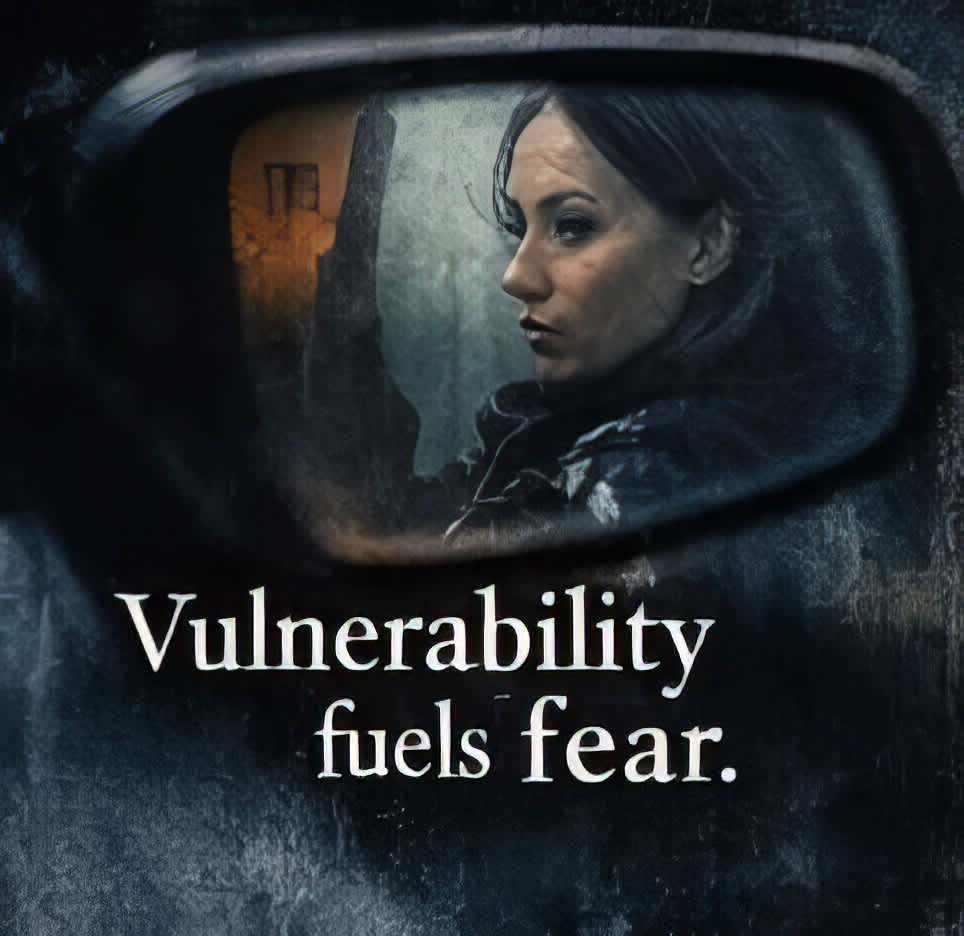
Fear is primal.
It bypasses logic and speaks directly to instinct.
That’s why thrillers and suspense stories feel so immersive — they activate something ancient inside us.
But writing fear isn’t about gore. It’s about vulnerability.
True fear emerges when:
- Stakes are personal.
- Safety is uncertain.
- Control is slipping.
A locked door is not scary.
A locked door when someone is chasing you is terrifying.
The psychology of fear in fiction revolves around three elements:
1. Anticipation
The reader senses danger before it arrives.
2. Powerlessness
The character lacks full control.
3. Consequence
Failure carries a heavy cost.
Crime and suspense novels excel when they understand this emotional formula.
Fear also bonds readers to characters. When we watch someone navigate danger, we subconsciously place ourselves in their position.
Would I make that choice?
Would I survive that moment?
Fear is empathy under pressure.
But here’s the inspiring truth:
Stories about fear are not stories about weakness.
They are stories about response.
Your character might shake. They might doubt. They might make mistakes.
But if they move forward anyway — that’s courage.
As writers, our job is not to eliminate fear from the page.
It’s to make bravery believable within it.
And as readers, perhaps we are drawn to these stories because they rehearse resilience.
In fiction, we practice survival.
And that practice strengthens something inside us.