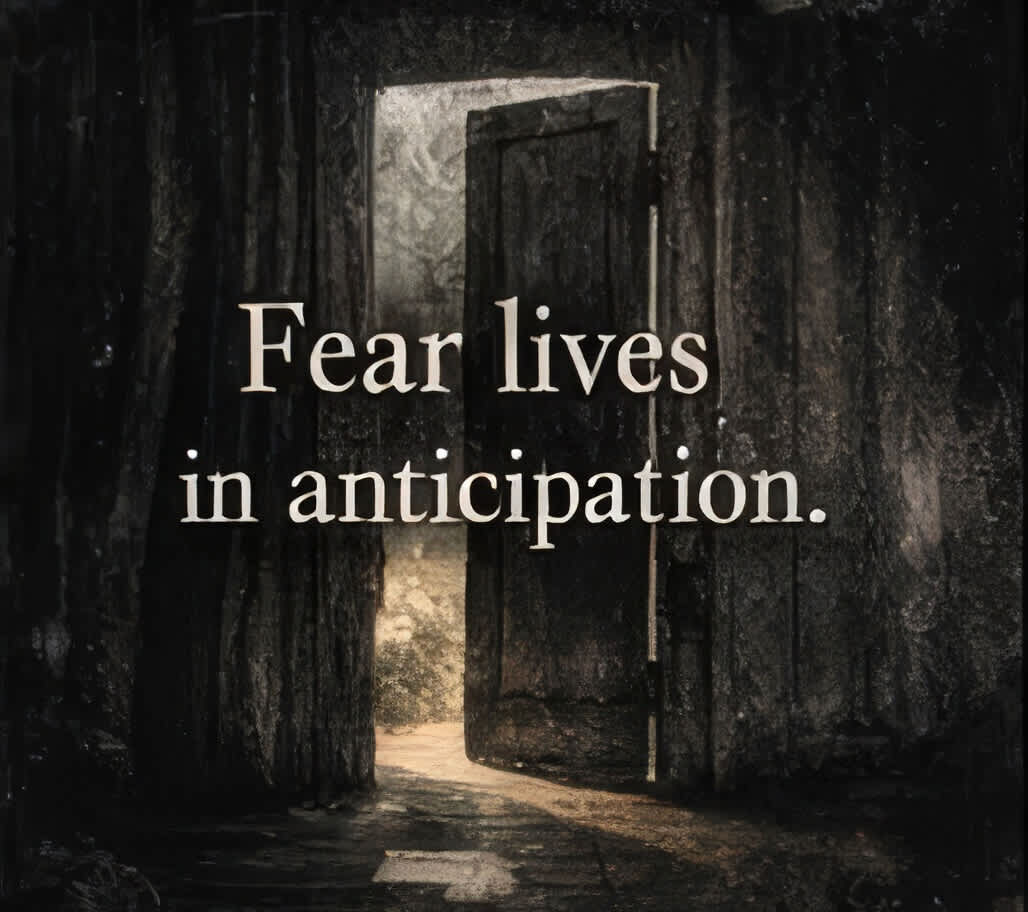
Fear is easy to write.
Hopelessness is easier.
But writing fear while preserving hope? That’s art.
In thrillers and suspense, tension must feel real. The danger must feel possible. The stakes must feel irreversible.
But readers don’t come to fiction to drown.
They come to struggle — and surface.
Hope in dark fiction is subtle. It isn’t naive optimism. It’s resilience.
It’s the detective who refuses to close the case.
It’s the survivor who chooses to testify.
It’s the fantasy warrior who stands alone when the army falls.
Hope is action.
As writers, we must remember:
Even in tragedy, meaning matters.
If every chapter is despair, readers disengage emotionally. But if every chapter contains a spark — even small — readers invest.
Because they recognize that spark.
They carry it in their own lives.
When I write scenes of danger, I ask myself:
Where is the thread of light?
Sometimes it’s loyalty.
Sometimes it’s sacrifice.
Sometimes it’s truth being revealed.
Fear grips readers.
Hope keeps them turning pages.
And perhaps that’s why dark fiction resonates so deeply.
It reflects reality — but reminds us that courage is possible within it.
If you’re writing something intense right now, don’t be afraid of darkness.
Just don’t forget to give your characters something worth fighting for.